Essential oils are the most common food additives. In daily life, from food manufacturing to cosmetics and other daily items, they all rely on them. So, how can we figure out how essential oils are made and what ingredients are used through their formulation analysis? The analysis experts explain that essential oils are additives that people create by imitating the fruity aroma and natural scents of fruits and natural spices.
According to Noah’s analysis of the fragrance formula, currently available food fragrances are formulated by carefully blending natural spices and synthetic fragrances based on the natural scents of natural foods. They come in various fragrant types with natural flavors. These include fruit-based, water-based and oil-based, dairy, poultry, meat, vegetable, nut, candied fruit, emulsified, and alcoholic fragrances. The dosage forms of food fragrances include liquid, powder, microcapsules, and paste.
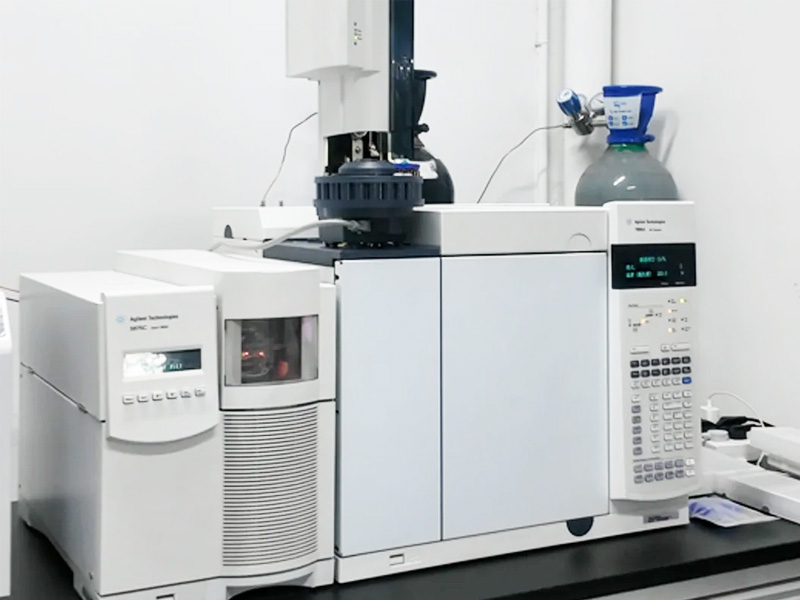
What are the fragrance formula analysis and processing techniques? The analysis experts, through component analysis technology, have identified the following ingredients.
1. Essential Oil: Also known as fragrant essential oil, it is the main type of natural plant-based fragrance. For most plant-based raw materials, essential oils are mainly extracted through steam distillation and pressing methods.
2. Tincture: Ethanol solution. It is an ethanol-based solution where plants are extracted at room temperature or under heating conditions.
3. Balsam: A creamy substance exuded by aromatic plants due to physiological or pathological reasons, containing fragrant components.
4. Extract (Concrete): Experts in testing and analysis explain that extract is a concentrated non-aqueous solvent extract in the form of a paste, which contains essential oils and plant waxes. It is obtained by first extracting the aromatic plants with volatile organic solvents, then distilling and recovering the remaining substances, which are the extracts.
5. Oleoresin: A concentrated extract obtained by solvent extraction of natural spices, followed by removal of the solvent. It possesses characteristic aroma or fragrance.
6. Pure Oil (Absolute) obtained from raw materials: The extract obtained by extracting the essence! Resins or gums through ethanol extraction, after being subjected to freezing treatment, the insoluble waxy and other impurities are filtered out, and then the ethanol is removed through vacuum distillation. The resulting pure oil is an excellent material for blending cosmetics and perfumes.
7. Incense Resin: A concentrated extract with distinctive aroma obtained by extracting plant resin or ointment-like substances with hydrocarbon solvents.
8. Pomade: It is an oil obtained by absorbing the aromatic components from flowers using refined animal and plant oils.
In fact, fragrances are also known as blended spices. Through the blending of various natural spices and processing substances in the right proportions, the desired fragrance flavor is produced. Noah’s detection and analysis experts state that currently, fragrances are classified into four major categories: food, cosmetics, cleaning products, and tobacco products. People’s lives have become richer due to the addition of fragrances. Noah’s detection and analysis can provide enterprises with professional technical support such as formula analysis and formula restoration.